Protein Bagels Boiled And Baked
Highlighted under: Quick Family Cooking
I’ve been on a quest for the perfect bagel that balances nutrition and taste, and these Protein Bagels Boiled and Baked have become my go-to recipe. With each bite, you can feel the soft, chewy goodness that only a homemade bagel can provide. Plus, they're packed with protein to keep me satisfied and energized throughout the day. What I love most is how simple they are to prepare, making it easy to whip up a fresh batch whenever I'm craving something warm and delicious.
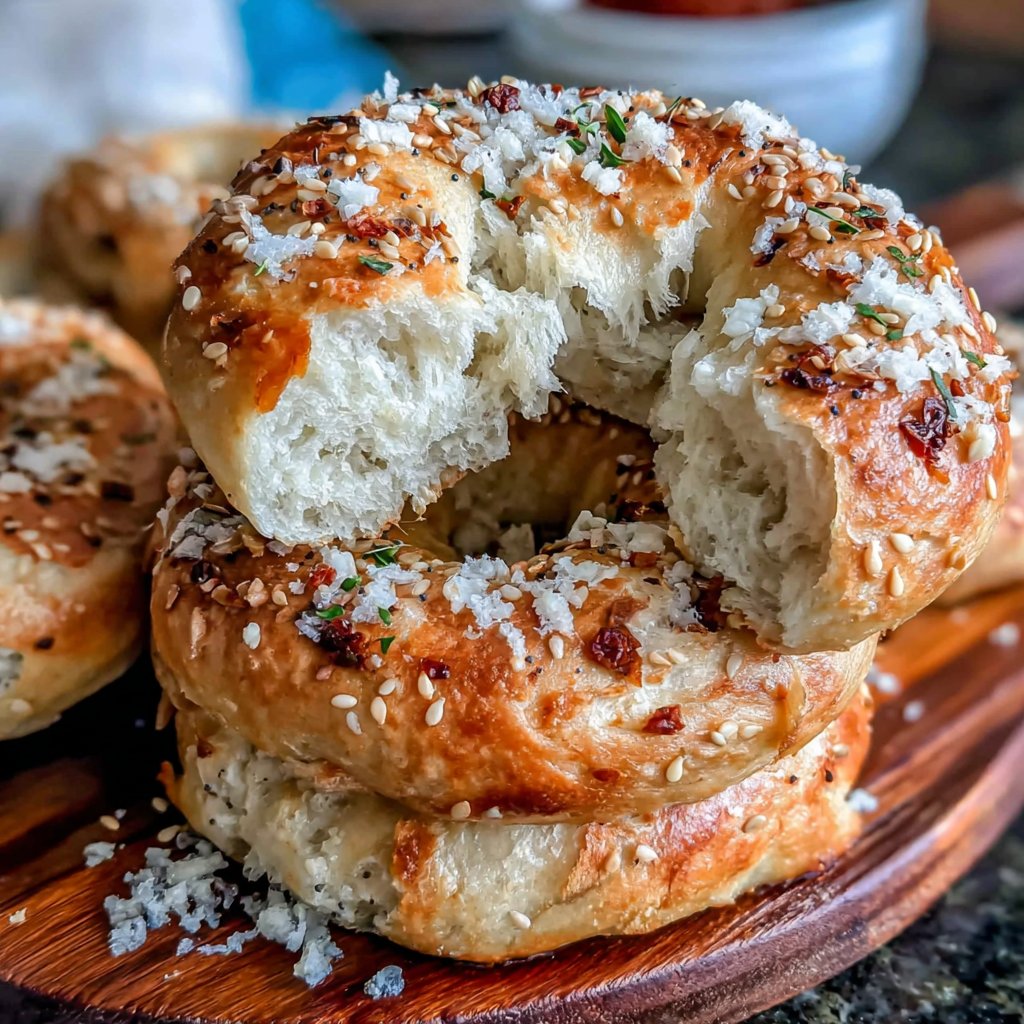
During my exploration into healthier baking, I stumbled upon a method that truly enhances the texture of bagels. By boiling them before baking, I achieve that classic chewy crust that everyone loves. Each bagel is a testament to the magic of simple ingredients combined with a little patience. I’ve also experimented with different toppings, and sesame seeds have become a favorite!
Once I started making these Protein Bagels at home, not only did I find the process rewarding, but I also gained control over what goes into my food. Using high-protein flour not only boosts the nutritional value but adds a unique flavor that I can’t get from store-bought options. Plus, these bagels freeze beautifully, so I always have some ready to go!
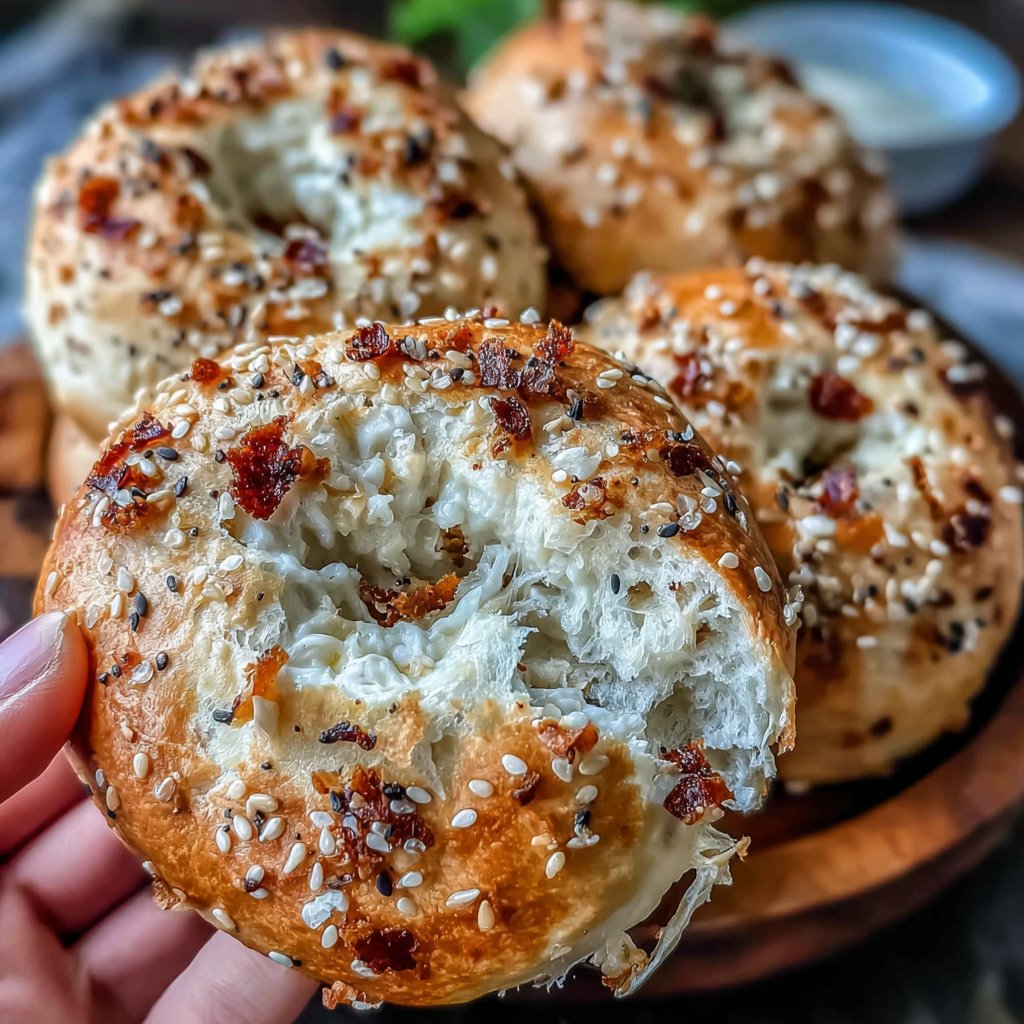
Why You Will Love This Recipe
- High in protein to kickstart your day
- Chewy texture that honors traditional bagels
- Customizable toppings for unique flavors
Understanding Protein in Your Bagels
The choice of high-protein flour is key to achieving the desired texture in these bagels. Unlike regular all-purpose flour, high-protein flour contains more gluten, which contributes to the characteristic chewiness synonymous with traditional bagels. This gluten structure also helps trap air during the boiling process, resulting in a bagel that has a delightful balance of density and lightness. If you're looking for a gluten-free version, consider using a blend of gluten-free flours and adding a binding agent like xanthan gum to replicate the texture.
Using honey not only sweetens the dough but also enhances browning during baking, giving the bagels a beautiful, golden finish. If you're looking for a sugar alternative, agave syrup or maple syrup can be used as substitutes, although they may slightly alter the flavor profile. Remember, the quality of your ingredients directly affects the final taste, so opting for organic or locally sourced components can lead to a more flavorful outcome.
Mastering the Boiling Technique
Boiling your bagels is an essential step that sets them apart from other bread. It contributes to their chewy texture and shiny crust. When boiling, aim for a rolling boil; this ensures that the bagels maintain their shape and cook evenly. Consider adding a tablespoon of baking soda to the boiling water; this will help deepen the color and enhance the flavor of the crust. Boil each bagel for 1-2 minutes on each side, and keep an eye on them as they should float within seconds. If they don’t, it may indicate the dough wasn’t kneaded enough to develop gluten properly.
Once boiled, the bagels should stick together slightly, indicating they are ready to bake. If you're looking to experiment, try scalding them in a baking soda solution instead for an even more robust crust. Ensuring they’re well-drained on a wire rack before baking will prevent excess moisture buildup, leading to a perfect texture after baking.
Storing and Serving Ideas
Once baked, allow the bagels to cool completely on a wire rack before storing. Proper cooling helps maintain their texture. For storage, keep them in an airtight container at room temperature for up to 2 days. For longer preservation, freezing is ideal. Wrap each bagel tightly in plastic wrap and place them in a freezer bag; they can last up to 3 months. To reheat, simply pop them in the toaster or a warm oven at 350°F for about 10 minutes until they're heated through.
These protein-packed bagels are versatile; enjoy them classic with cream cheese or enhance your breakfast with poached eggs and avocado. For savory options, try adding herbs like rosemary or garlic powder into your dough, or for a sweet twist, mix in chocolate chips or dried fruit before shaping. The possibilities are endless!
Ingredients
Bagel Dough Ingredients
- 2 cups high-protein flour
- 1 cup warm water
- 2 tablespoons honey
- 1 packet active dry yeast
- 1 teaspoon salt
- 1 tablespoon olive oil
- Optional toppings (sesame seeds, poppy seeds, etc.)
Make sure to gather everything before starting to ensure a smooth baking experience!
Steps to Prepare
Activate the Yeast
In a small bowl, combine warm water with honey and yeast. Allow it to sit for about 5 minutes until bubbly.
Prepare the Dough
In a mixing bowl, combine high-protein flour and salt. Gradually add in the yeast mixture and olive oil, mixing until a dough forms.
Knead the Dough
Transfer the dough to a lightly floured surface and knead for about 10 minutes until smooth and elastic.
Shape the Bagels
Divide the dough into 12 equal pieces. Roll each piece into a ball, then poke a hole in the center to form a bagel shape.
Boil the Bagels
Bring a large pot of water to a boil. Gently drop the bagels in, boiling each for about 1-2 minutes on each side.
Bake the Bagels
Place the boiled bagels on a baking sheet lined with parchment paper. Add toppings if desired, and bake in a preheated oven at 425°F for 20 minutes.
Cool and Enjoy
Let the bagels cool on a wire rack for a few minutes before enjoying them warm!
These bagels are best enjoyed fresh but can also be stored in an airtight container for several days.
Pro Tips
- Try adding herbs or spices to the dough for extra flavor, or experiment with different toppings like seeds or cheese before baking.
Troubleshooting Common Issues
Sometimes, bagels can come out dense or tough if the dough hasn't been kneaded long enough. A good test is to stretch a small piece of dough; it should form a windowpane without tearing. If it breaks, continue kneading for another few minutes. Additionally, if your bagels don't rise much during boiling, it could indicate that the yeast was not activated properly. Always ensure your water temperature is warm (not hot) to optimally activate the yeast.
If you notice your bagels spreading too much while baking, it may signal that the dough is too moist. You can adjust the flour-to-water ratio slightly on your next batch or ensure they are shaped tightly before boiling to retain their form better.
Scaling the Recipe
This recipe is easily scalable, making it perfect for meal prep or hosting a brunch. To double the batch, simply multiply each ingredient accordingly. You may want to use two mixing bowls to make the mixing process easier while also ensuring you adequately knead both portions separately for the best results.
Keep in mind that larger batches may require longer boiling times, as the bagels will cool the water slightly more than a smaller batch. Also, be cautious to only boil a few bagels at a time to avoid overcrowding, which can lead to uneven cooking.
Questions About Recipes
→ Can I use all-purpose flour instead of high-protein flour?
Yes, but the texture will be slightly different; high-protein flour gives a chewier bagel.
→ How can I reduce the calories in the bagels?
You can substitute some of the flour with whole wheat flour and reduce or eliminate the honey.
→ Can these bagels be frozen?
Absolutely! Freeze them in a single layer, then transfer to a ziplock bag for easy access.
→ How long do the bagels stay fresh?
They are best consumed within 3-4 days if stored in an airtight container.
Protein Bagels Boiled And Baked
Created by: Eden Clarke
Recipe Type: Quick Family Cooking
Skill Level: Easy
Final Quantity: 12 bagels
What You'll Need
Bagel Dough Ingredients
- 2 cups high-protein flour
- 1 cup warm water
- 2 tablespoons honey
- 1 packet active dry yeast
- 1 teaspoon salt
- 1 tablespoon olive oil
- Optional toppings (sesame seeds, poppy seeds, etc.)
How-To Steps
In a small bowl, combine warm water with honey and yeast. Allow it to sit for about 5 minutes until bubbly.
In a mixing bowl, combine high-protein flour and salt. Gradually add in the yeast mixture and olive oil, mixing until a dough forms.
Transfer the dough to a lightly floured surface and knead for about 10 minutes until smooth and elastic.
Divide the dough into 12 equal pieces. Roll each piece into a ball, then poke a hole in the center to form a bagel shape.
Bring a large pot of water to a boil. Gently drop the bagels in, boiling each for about 1-2 minutes on each side.
Place the boiled bagels on a baking sheet lined with parchment paper. Add toppings if desired, and bake in a preheated oven at 425°F for 20 minutes.
Let the bagels cool on a wire rack for a few minutes before enjoying them warm!
Extra Tips
- Try adding herbs or spices to the dough for extra flavor, or experiment with different toppings like seeds or cheese before baking.
Nutritional Breakdown (Per Serving)
- Calories: 200 kcal
- Total Fat: 1g
- Saturated Fat: 0g
- Cholesterol: 0mg
- Sodium: 90mg
- Total Carbohydrates: 38g
- Dietary Fiber: 2g
- Sugars: 1g
- Protein: 9g